


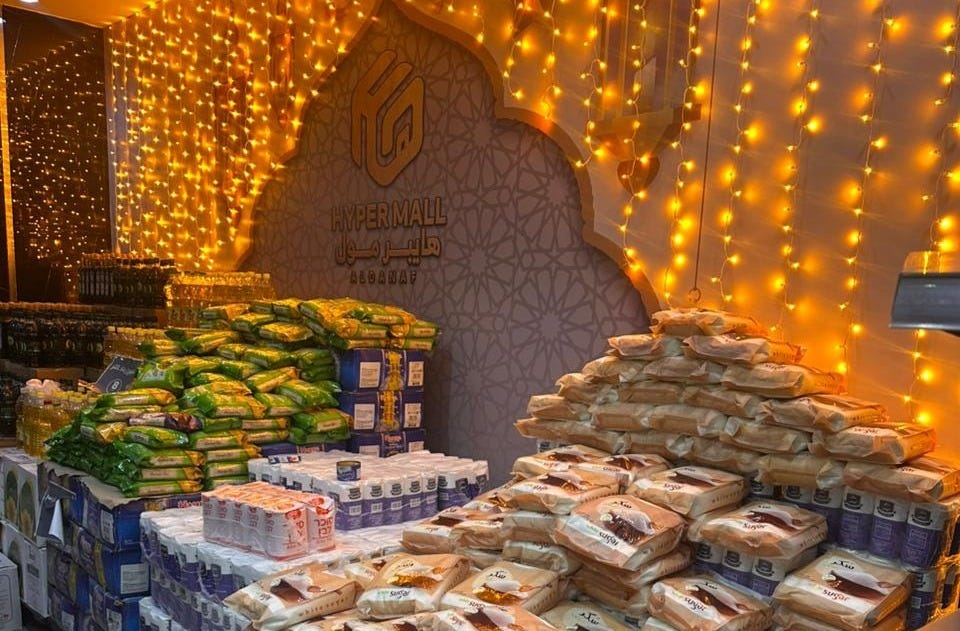
Ramadan has never been simply a date on the calendar. It rearranges time. Nights grow longer and fuller. Homes open to neighbours. Tables stretch with shared meals. Mosques fill as life bends toward prayer and reflection.
But this is not how Ramadan arrives in Gaza this year.
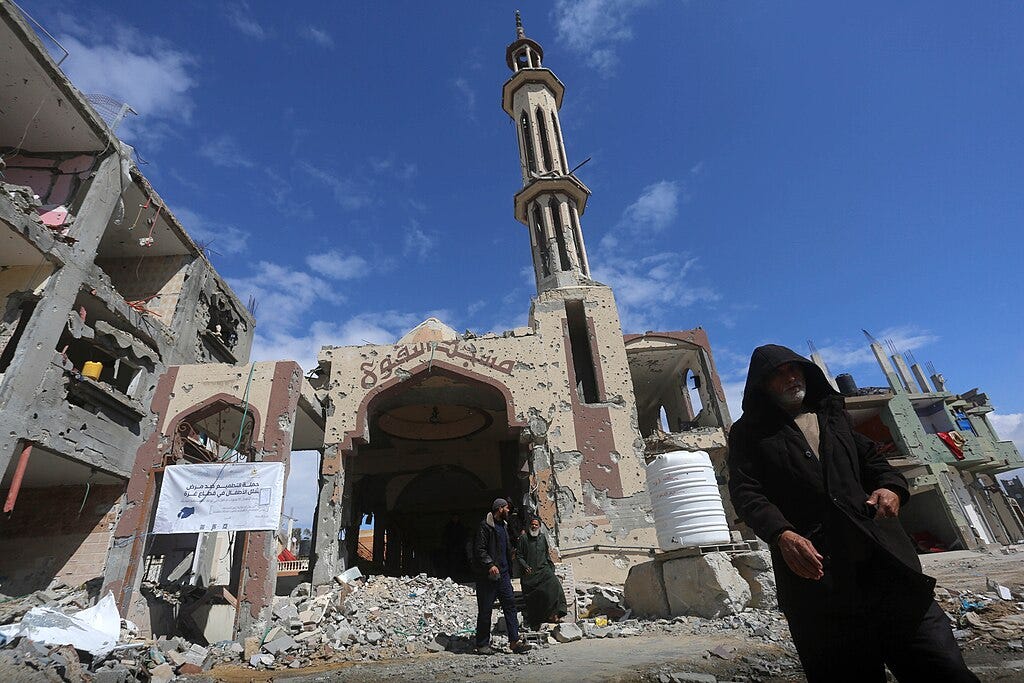
Genocide and violent occupation have erased homes, torn apart gathering places, and turned familiar streets into fields of rubble. The landmarks that once organised daily life are gone. Even memory has changed shape. What once offered comfort now feels heavy, a reminder of everything that has vanished.
Months after a so-called ceasefire that never truly held, Gaza remains suspended in conditions that cannot be described as peace. The patterns of bombing may shift, but their consequences remain permanent. Entire neighbourhoods lie flattened. Roads are fractured. Water systems barely function. Communication cuts out for hours or days at a time.
What little infrastructure remains stands in a fragile state: damaged, unreliable, yet stubbornly refusing to disappear.
Broken city
Daily life has become a struggle defined by scarcity.
Poverty and unemployment have soared, leaving most families without stable sources of income. Aid arrives irregularly and in limited quantities, forcing Palestinians into endless cycles of waiting, rationing, and improvisation. Planning for the future has become almost impossible. Survival replaces planning; endurance replaces recovery.
Even now, airstrikes, shelling, and gunfire punctuate daily life. Local authorities have documented hundreds of ceasefire violations since the truce took effect, many resulting in civilian casualties.
Movement remains tightly restricted, particularly at border crossings such as Rafah. Fuel, construction materials, and humanitarian supplies are frequently delayed or blocked. Caravans and prefabricated housing units are prevented from entering Gaza. Essential rebuilding materials are labelled “banned.”
Even food and medicine arrive as controlled quantities rather than necessities.
Since the genocide began in 2023, more than a thousand mosques have been destroyed or severely damaged. Entire neighbourhoods no longer contain a single functioning place of worship. Communities do not know where—or whether—they will gather for prayer this Ramadan.
Many congregational prayers will take place in tents, among the ruins of what once stood.
Empty tables
Ramadan usually arrives with sound.
The call to prayer echoes through neighbourhoods. Qur’anic recitation hums late into the night. After sunset, laughter and conversation spill from open windows as families gather for iftar.
This year, much of Gaza stands in silence.
At a time traditionally defined by family gatherings, almost every household has someone missing—a brother, sister, parent, uncle, aunt, or grandparent killed during the genocide. The empty seats around the table speak more loudly than words.
And often, the tables themselves are nearly empty.
Fasting during Ramadan is meant to cultivate empathy with the hungry. In Gaza, hunger is no longer symbolic. It is constant. With supply chains broken and incomes erased, many families approach the holy month unsure whether they will have enough food for iftar at sunset—or even for suhoor before dawn.
Abstention is no longer a spiritual exercise. It is a daily condition. People no longer prepare for Ramadan. They brace for it.
Difficult questions echo through overcrowded shelters and bombed streets: How long will this continue? Where is the Arab and Islamic world—not in statements, but in action? Where is the international community?
Where, simply, is humanity?
Gaza does not need seasonal gestures or symbolic relief. It needs sustained humanitarian access, accountability for violations of international humanitarian law, the rebuilding of its healthcare system, the rescue of its collapsing education sector, and an economic recovery that restores dignity and self-sufficiency.
Anything less is not recovery. It is managed collapse.
Stubborn light
Yet even amid devastation, Ramadan still finds ways to appear.
Lanterns hang from broken walls and tent poles. Small shops decorate their doors with strands of colored lights that spill softly onto damaged streets. Many people cannot afford to buy anything, but they still walk through these markets simply to look.
Children press their faces against shop windows. Families stroll slowly through the streets, sharing brief smiles and moments of laughter.
The city, though scarred, refuses to surrender entirely to grief.
In one ravaged neighbourhood, where skeletal buildings rise like ghosts from piles of debris, a single white tent glows in the darkness. Strings of golden LEDs hang across its canvas walls, shining like defiant stars against the night.
The lights do not hide the surrounding ruins. Instead, they illuminate them.
There is no roof from which to hang decorations, so the tent itself becomes the lantern. Somewhere nearby, a small generator or salvaged battery hums softly—the fragile heartbeat of a family refusing to let displacement erase the spirit of the month.
Across Gaza, the geography of Ramadan is being redrawn.
Where mosques once stood, strings of LED lights zigzag between wooden poles and palm trees, forming glowing paths over dirt roads lined with tents. Lanterns are no longer purchased in markets. They are created from what remains.
Empty soda cans are carefully cut and shaped into metallic lamps that sway gently in the evening breeze. During the day they catch sunlight; at night they glow faintly in the dark.
These objects are more than decoration. They are declarations of existence—small flames of perseverance that refuse to let darkness claim the final word.
When Ramadan arrives in a city without homes, without mosques, without enough food to break its fast, the question is no longer how its people pray.
The question is how the world continues to watch. Because a holy month meant to embody mercy arriving beneath rubble is not a natural disaster. It is the result of human decisions—policies maintained, suffering prolonged, starvation regulated. And a tragedy not only witnessed by the world, but tolerated by it.
***
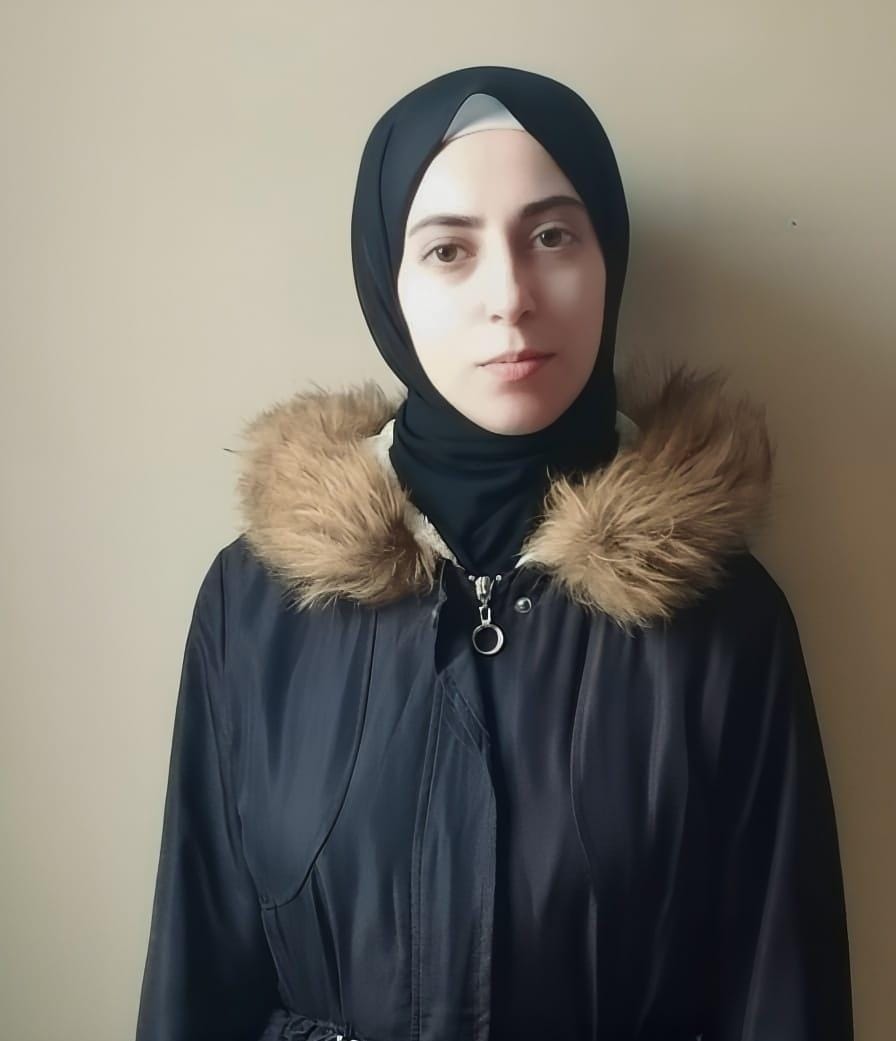
Taqwa Ahmed Alwawi, a Palestinian writer, poet, and editor living in Gaza (born 2006), studied English Literature at the Islamic University of Gaza. She is a chronicler and guardian of her community’s memory through her writing, dedicated to amplifying Gaza’s voice and sharing stories often left untold. Her work has appeared in over 30 international platforms. She is an editor at Baladi Magazine.
Taqwa’s Portfolio: https://tqwaportfolio-project.netlify.app/

It's horrific that the entire so called west continues to back this crime against the people of Palestine - a crime against humanity itself.
So sad, so bloody wrong, and this is AmeriKKKa, do not believe "polls" and the other crap from MSM or legacy media or the so-called alt media.
Is it More than Just Senile Capitalism and Duck Dynasty, even the fuckers all suited up living on the Beltway?
https://paulokirk.substack.com/p/is-it-more-than-just-senile-capitalism