


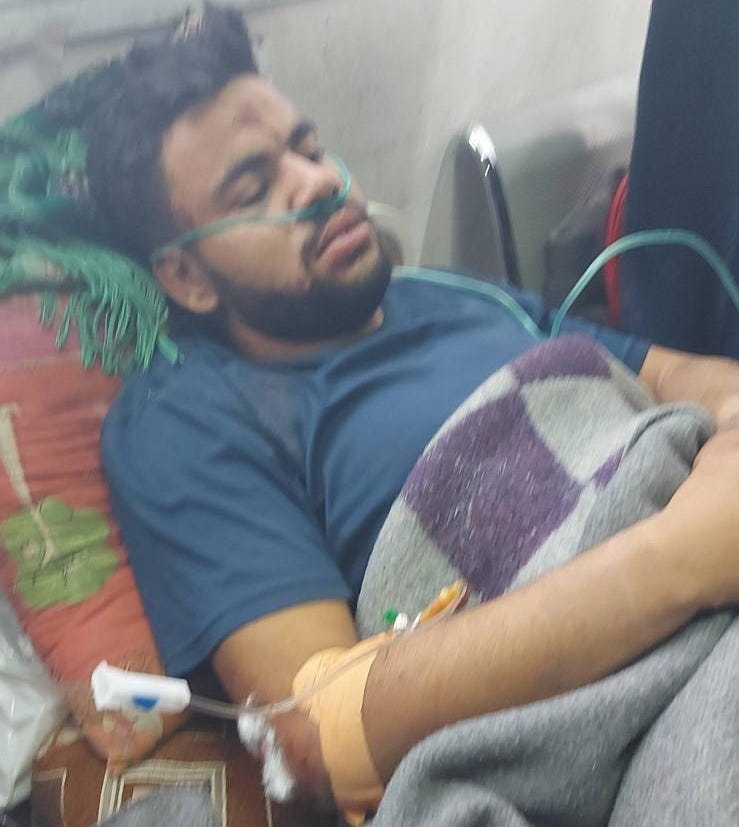
There are questions the mind asks that the soul cannot answer. What kind of life continues after everyone is gone? What does tomorrow look like when yesterday erased an entire family? Noor Al-Din Habib lives inside those questions.
At 21, Noor Al-Din was the middle son — the peacemaker. If he upset his mother, he was always the first to return, sitting beside her until she smiled. She would tell him, “You are the kindest among your brothers.”
On Wednesday night at 10 p.m., their home was struck. His mother was wounded and remained alive until 3 a.m. Noor Al-Din was injured too, unable to move, though he could hear her calling out each of her children’s names: Riwaa, Obaida, Abdullah, Noor Al-Din, Malik, Sajed.
When relatives tried to comfort her, telling her Noor was beside her, she called again, “Where is Noor Al-Din?” Then she said, “Noor, my love…I swear I love you. Forgive me. Be patient, my son.”
He heard everything. He tried to reach her, but his injuries pinned him in place.
The night they all left
His eldest sister, Israa — a second mother to her siblings — had already been killed a year earlier, on December 17, 2023, along with her husband and three children. Noor Al-Din dug through the rubble alone to find and bury them.
Riwaa was his confidante. He studied with her, teased her cooking, and loved her pizza most of all. She once said she dreamed of being “the sister of a groom one day.”
Obaida, who earned a master’s degree in management while working at an ice cream shop, was deeply attached to their father. He was killed on June 19, 2024.
Abdullah, 23, worked as a nurse at Al-Shifa and Al-Maamadani hospitals. He came home each week covered in blood, describing the wounded he treated. He was saving to get engaged.
Malik, 17, was Noor’s closest companion — more friend than brother. Sajed, 15, the youngest, was spoiled and adored.
Their final night together was December 19, 2024. They sat at home. Abdullah showed photos on Obaida’s laptop. Their mother asked to see Obaida’s pictures because she missed him. “God willing, we will see him soon, up there,” Abdullah said quietly before closing the computer.
She told Noor to intend to fast the next day and pray. He performed ablution. He remembers nothing after that.
He woke up in Al-Maamadani Hospital, disoriented. “Where is my mother? Where are my siblings?”
“They’re fine,” relatives told him at first.
By morning, his friend Ahmed gave him the truth. “May God have mercy on them.”
“Who?” Noor asked.
“All of them.”
He begged to see their bodies. They refused. “Remember them as you knew them,” they said.
Losing everyone
After leaving the hospital, Noor visited the Eastern Cemetery to say goodbye. Then he moved into his grandfather’s house.
Each morning, he returned to the hospital to clean and disinfect his wounds. His cousin Ismail stayed close, sleeping beside him at night. “You are not alone,” Ismail told him. “Consider me Malik.” Noor replied, “I want to.”
One winter night, doctors discovered Noor had two leg fractures. Surgery was unavailable; he was placed on a waiting list.
The next morning, Ismail left after promising to return every night. Hours later, a call came: Ismail had been killed.
Noor ran to the hospital, ignoring the pain in his broken leg. “How? He was with me… he said he wouldn’t leave me.”
After that, even ordinary things broke him — siblings walking together, someone saying “my mother.” He wondered whether it would have been easier to die with them.
His best friend Ishaq became his final anchor. “Why talk like this? I am here,” Ishaq would tell him. Noor once said, “I lost four siblings, but life compensated me with you.”
On May 28, 2025, Ishaq was killed too.
“I lost everyone I love,” Noor says. “I told myself I would never get attached again.”
Beginning again
In December 2025, relatives encouraged him to get engaged. He refused until his father said, “I want to see you happy.”
On the day of his engagement, January 2, 2026, he woke up wondering who would stand beside him. There was no one from his family left to attend. His fiancée, who had also lost her father, brother, and sister, understood his silence.
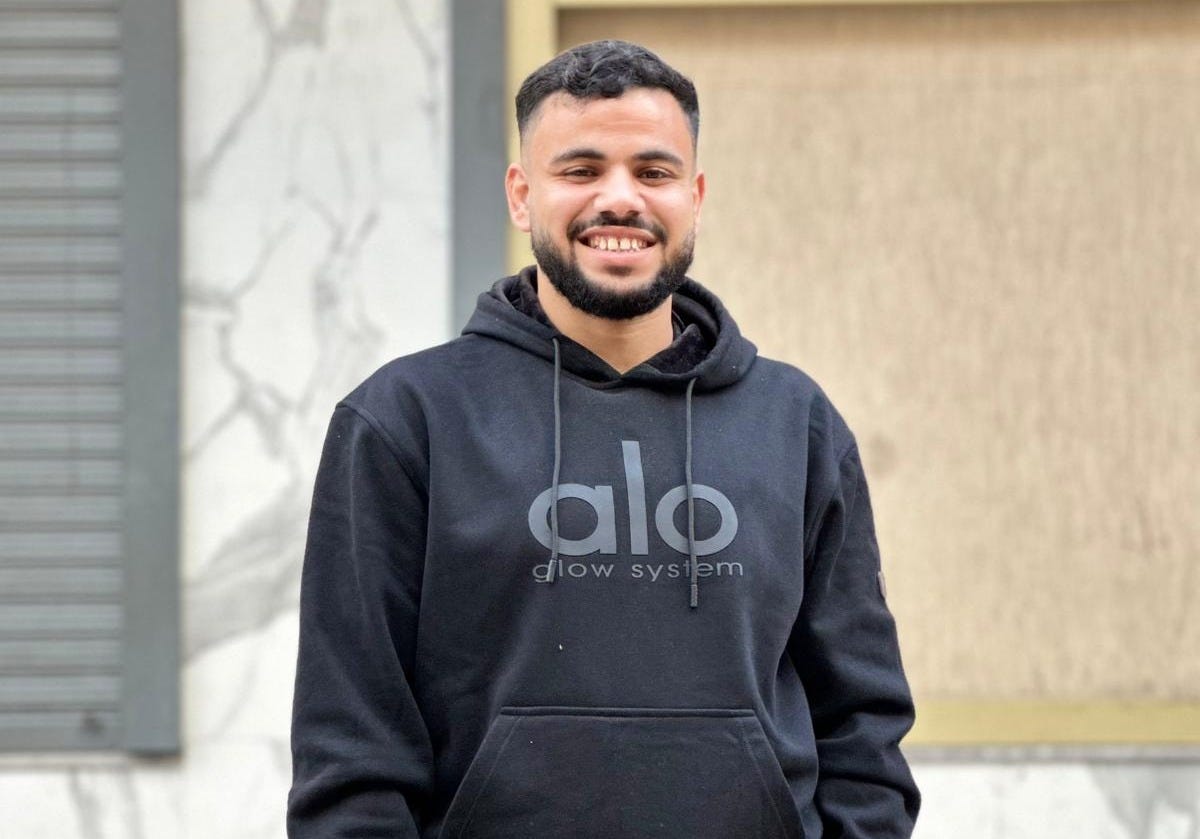
Now Noor says he no longer knows what stability feels like. He sleeps in different places, eats mostly canned food, and longs for Riwaa’s cooking and his mother’s sweets.
What can someone build when the people who made the house a home are gone?
For Noor Al-Din, that question does not fade. It is the life he now carries.
***
Sara Serria is a Gaza-based Palestinian writer, translator, and speaker, and a recent graduate of the Islamic University of Gaza. As a human before anything else, her work is rooted in empathy and lived experience. She focuses on documenting the human impact of war, loss, and survival—preserving personal histories and amplifying the voices of those shaped by displacement and grief.

You write beautifully about this poor man's suffering. I am 71 years of age, with two daughters and three grandchildren all ensh'Allah, well and alive. Reading your words here in the comfort of my house in the UK I am reminded how important it is that once again, I go out onto the streets to protest and do everything I can to bring an end to the suffering of all Palestinians. Please know that tens of thousands of us have been protesting night and day for two and a half years and we will not ever give up on you. May Allah bless all of you.
May Allah bless this young man at this most testing time with patience and some sort of peace inshallah 🤲🏽