


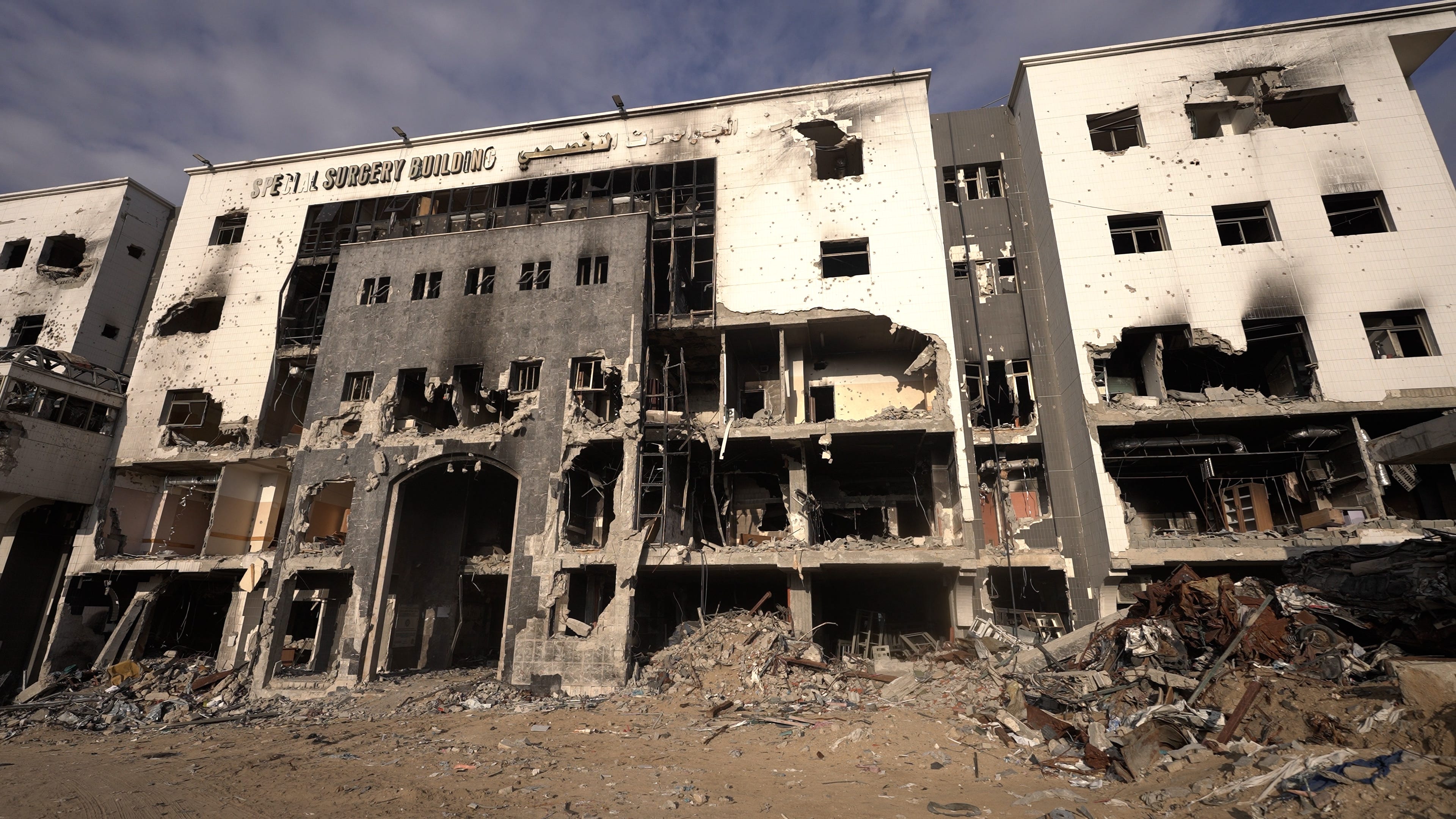
In mid-January 2026, Gaza’s collapsing health system reached a catastrophic tipping point. Hospital corridors were already overcrowded with patients suffering from malnutrition, chronic illness and genocide-related injuries when a new wave of respiratory disease began spreading rapidly across the Strip. On January 14, Dr. Muhammad Abu Salmiya, director of Al-Shifa Medical Complex, warned publicly that respiratory viruses were circulating at an alarming speed, overwhelming a healthcare system that had long since lost the capacity to respond.
Doctors observed that seasonal respiratory illness had become significantly more severe. Medical staff reported unusually harsh symptoms, including prolonged high fever, extreme fatigue, intense body pain, and acute respiratory distress. These symptoms are most dangerous among malnourished children, elderly patients, and those with pre-existing conditions.
Due to the destruction of laboratories, the absence of diagnostic testing, and the fact that there are no functional large-scale testing facilities, doctors are unable to confirm the exact strain of the virus in Gaza, nor are they allowed to send tests outside of Gaza. As a result, physicians have no access to vaccines targeted to the circulating illness. Instead, they rely on clinical symptoms and recurring patterns among patients to gain an understanding of the illness. Many suspect it is a mutated influenza strain or a coronavirus-like respiratory infection, exacerbated by starvation and chronic stress.
Illnesses that doctors are unable to clearly identify — due to the lack of diagnostic testing and functional laboratories — may include both common infections and potentially unknown strains. What is evident, however, is that in a health system stripped of medicine, equipment, and staff, and amid a population already weakened by prolonged crisis, these illnesses are becoming far more severe than they would normally be. Conditions that would ordinarily respond to rest and basic treatment are instead escalating into prolonged and debilitating cases, increasingly difficult to manage.
Abu Salmiya, director of Al-Shifa Medical Complex, the largest hospital in Gaza, has pointed out that the spread of infections is not occurring in a vacuum; the immune systems of the people of Gaza have been systematically weakened by prolonged starvation, repeated displacement, and more than two years of sustained Israeli military assault. Respiratory viruses are acting on bodies already depleted by hunger, dehydration, chronic stress, and trauma.
Doctors explain that a lack of food has left many patients with severely compromised immune responses. Minor infections linger, worsen, and spread, while recovery becomes slow or impossible. In this context, a seasonal virus that would otherwise be manageable has become potentially fatal.
Failing Bodies
Hospitals across Gaza are operating far beyond their capacity. Bed occupancy has exceeded 150 percent in several facilities, while routine preventive care — including annual vaccinations for children, the elderly, and people with chronic illnesses — has effectively collapsed. In many cases, vaccines are simply unavailable.
What is happening in Gaza is the predictable outcome of a deliberate and systematic dismantling of public health infrastructure.
Since October 2023, Israeli airstrikes and ground operations have damaged or destroyed hospitals, clinics, ambulances, and medical infrastructure, while hundreds of medical workers have been killed and injured as the assault continues.
By the end of 2025, only a fraction of Gaza’s hospitals were even partially functional. Intensive care units regularly operated beyond capacity, while shortages of fuel, electricity, clean water, and medical supplies crippled basic services. Children and the elderly were particularly vulnerable. Doctors were forced to perform surgery without adequate anaesthesia and, at times, without reliable lighting due to power outages.
Al-Shifa Hospital — Gaza’s largest medical complex — was repeatedly raided, besieged, and forcibly evacuated during the genocide. Patients were ordered to leave while still critically ill, some forced to walk long distances under fire.
On 23 November 2023, Dr. Muhammad Abu Salmiya was arrested by Israeli forces while accompanying a United Nations–coordinated medical evacuation convoy. He was held in Israeli detention for approximately seven months without charge or trial and was released on 1 July 2024, without any formal indictment. His detention removed one of Gaza’s most senior medical administrators at a moment when the health system was already collapsing.
Systematic Collapse
In displacement camps and overcrowded shelters, families are forced to survive on minimal calories and drink unsafe water with inadequate sanitation. In parts of northern Gaza, sewage flows through residential areas after pumping stations were shut down due to fuel shortages. In these conditions, infectious disease spreads rapidly. Acute respiratory infections, influenza-like illnesses, and other communicable diseases have surged, particularly in overcrowded shelters where physical distancing and basic hygiene are impossible.
To understand how the outbreak is affecting daily life, I spoke with several Gaza residents who, based on their symptoms, doctors believe are infected with a respiratory virus. Their testimonies were strikingly similar, reflecting a shared and recurring experience across the Strip. “People here are no longer just dying from bombs,” one local told me, “they are dying from hunger and disease.”
Osama, a 19-year-old living in central Gaza, described symptoms that had begun just two days before we spoke, but had escalated rapidly. He spoke of intense headaches, extreme muscle weakness, nausea, and a complete loss of appetite — symptoms he said were far worse than any influenza he’d experienced before. Like others I spoke with, Osama had sought treatment but found that no medication was available. By necessity, traditional remedies such as tea with lemon had to substitute for medical intervention.
Exacerbated by a severe lack of both food and medicine, the illness has left him exhausted and largely unable to move throughout the day, preventing him from carrying out basic tasks. What he fears most is that without access to proper care his condition will worsen. His message echoed what every interviewee expressed in different words: “People in Gaza are human beings, just like everyone else outside.”
Quiet Deaths
These testimonies reflect a shared reality — illness is spreading in a place where rest, nutrition, warmth, and medical care are largely unavailable.
International humanitarian organisations have repeatedly warned that Gaza’s health catastrophe is not accidental. Medical groups have described the current state of hospitals in Gaza as overwhelmed and unsafe, while global health officials have emphasised that the destruction of healthcare infrastructure has made disease control nearly impossible.
Under international humanitarian law, attacks on medical facilities, obstruction of medical aid, and the starvation of civilians constitute grave violations. Yet accountability remains absent, even as preventable diseases become fatal.
The respiratory virus spreading through Gaza in early 2026 is the biological consequence of siege, famine, and the systematic dismantling of healthcare.
Doctors warn that without immediate intervention — including food, medicine, fuel, and protection for medical facilities — the outbreak will continue, claiming lives quietly while the world looks the other way.

Thank you, Taqwa Ahmed Alwawi for your informations about the situation in Gaza now. Its horrible - like holocaust.
I would help, but I am old and poor in a difficult situation. But I will now send this article to some who have more surplus than me. I hope and pray for you, the Palestiniens and for the whole world.
Virus is a word which comes from Latin, it means poison.
There is no such a thing as “seasonal viruses”.
Same goes for so called vaccines, they are poisons.
Aside from the poisoning caused by the Genocidal bombing and by the release of toxic dusts released by both illegal munitions such as white phosphor and by of toxic waste deliberately dumped by the terrorists regime of telaviv, the highest cause of disease is brought about by dirty or contaminated water, by poor satiation and by the neglect of world’s leaders which are still allowing israel to impose its concentration camp style siege of Gaza.