

By Abedalrahman Mohammed
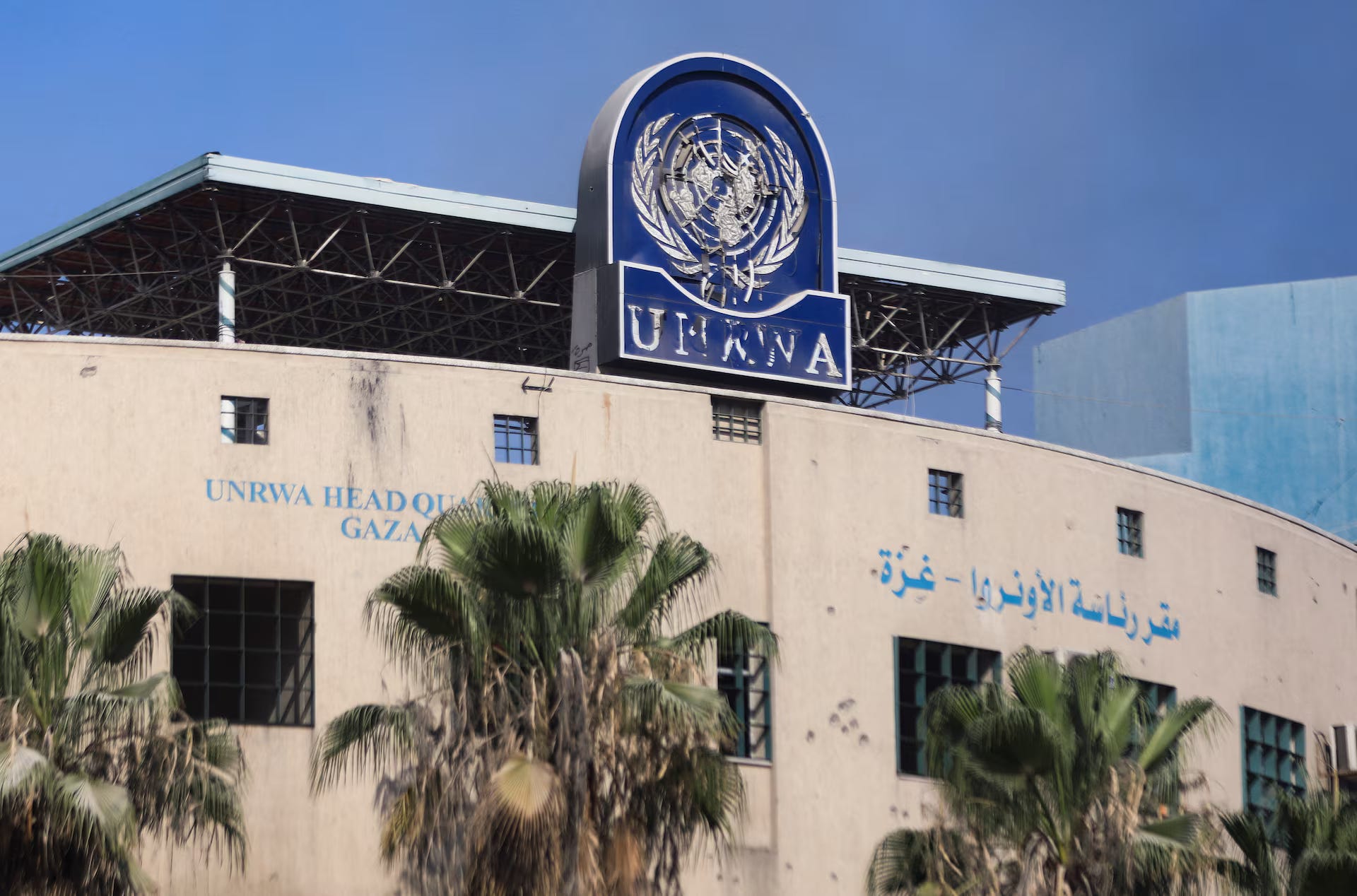
In the midst of a humanitarian catastrophe in Gaza, another crisis is unfolding quietly but no less devastating: the termination of Palestinian employees of the United Nations Relief and Works Agency for Palestine Refugees (UNRWA) who are currently outside the Gaza Strip after being placed on exceptional leave. Many of these men and women did not choose to leave Gaza — they fled for their lives, sometimes accompanying sick relatives, sometimes escaping bombardment that left them no alternative.
Yet now, they are being told their contracts have been ended immediately, a decision that has sent shockwaves through families already fractured by war and displacement.
UNRWA placed hundreds of its Gaza-based staff on exceptional leave starting in March 2025, a temporary measure meant to protect their jobs while they were unable to work due to the ongoing war and the closure of border crossings. However, in early January 2026, the agency abruptly announced that those contracts would be terminated, effective immediately, citing a severe financial crisis and an inability to sustain salaries and programme commitments.
The decision affects roughly 600 employees, primarily in the education sector, many of whom are currently in Egypt because they could not safely return to Gaza. Staff learned of the termination through formal letters outlining that their services had ended, and that their final settlements — including end of service compensation and notice pay — would be processed in due course.
Many of the affected employees had hoped that the “exceptional leave” would be temporary — that once crossings opened, even briefly, they could return to their classrooms, clinics, and communities. Instead, they now confront a different form of displacement: economic erasure.
Arbitrary and unjust
The impact of this decision extends far beyond individual employees. These are families — parents, spouses, children — whose livelihoods depended on stable work with UNRWA. The agency is often one of the few employment avenues in Palestinian refugee communities. Losing that work means losing not only a paycheck but also access to medical insurance, educational support for children, and the psychological security that comes with professional identity and routine.
Local human rights groups have condemned the termination as arbitrary, unjust, and a violation of basic rights, noting that the employees were prevented by circumstances beyond their control from returning to Gaza and resuming their duties. They argue that blaming staff for having fled a war zone amounts to punishing them twice: first by the violence that drove them out, and then by stripping them of their means to survive outside it.
The reaction among Palestinian society has been swift and critical. Comments from staff and unions highlight the personal trauma and financial insecurity caused by the decision. “The decision is arbitrary and discriminatory. We did not leave Gaza by choice — we fled for our lives or to accompany sick relatives. Now we are punished for surviving,” said Abu Adi Al-Talla’, spokesperson for UNRWA contract employees.
Palestinian factions and unions condemned the move as unjust and inhumane, warning that dismissals undermine basic employment rights at a critical time when families are struggling to recover from war. “Cuts and contract terminations amount to a ‘stab in the back’ of employees who lost colleagues under bombardment and have served as a safety valve for the agency,” said Ahmed Abu Houli, of the PLO’s Refugee Affairs Department. Hamas, meanwhile, described the decision as an infringement on fundamental employment rights for people who were unable to return due to border closures and war conditions.
Human tragedy
This is not merely an administrative or financial issue; it is a human tragedy unfolding in parallel with the broader crisis in Gaza. UNRWA employees are not faceless bureaucrats — they are teachers who once stood at chalkboards, parents who tucked their children into bed before the war began, and community members who provided stability in an unstable world. Now, many face unemployment in foreign lands, with depleted savings and uncertain futures.
The agency has indicated it will provide statutory compensation, but for many families, such payments — arriving weeks or months later — do not address the immediate needs of daily life. They cannot replace the security of a job, community, and home.
In a moment when international attention focuses on the physical destruction within Gaza’s borders, the termination of services for these employees exposes a different dimension of the crisis: the systematic unravelling of Palestinian social and economic structures that have been sustained, imperfectly but indispensably, by institutions like UNRWA.
Stripping people of their employment because they had to survive war and protect their families raises profound ethical questions about who bears the burden of conflict and who is protected by international humanitarian systems.
The decision to terminate the contracts of UNRWA staff who fled Gaza under life-threatening conditions is more than a labour dispute — it is a moral crisis. It turns survival into a professional liability, punishes those who were driven by fear for their lives and those of their loved ones, and deepens the economic fracture for families already pushed to the brink. As Gaza’s war continues, so too must the international community grapple with the consequences — seen and unseen — of policies that transform victims of conflict into victims of institutional abandonment.
***
Abedalrahman Mohammed is a Palestinian journalist and translator with over 20 years of experience in the field. He is a professional author producing analytical documentary-style journalism.
UNRWA like all NGO's is steered by those who pay its funding. Even if the leadership has integrity, they themselves cannot do anything other than what the funders decide. And this world is financially ruled by some wicked, evil people.
This is shocking treatment by UNRWA of its staff from Gaza: I’m inclined to think that the personnel employee who decided to immediately terminate the contracts of their fellow staff members for escaping the killing zones within Gaza is a zionist: but one would hope that this is impossible. Either way, UNRWA appears to be behaving here in a similar manner to the zionist occupiers of Palestine, which is tragic.