

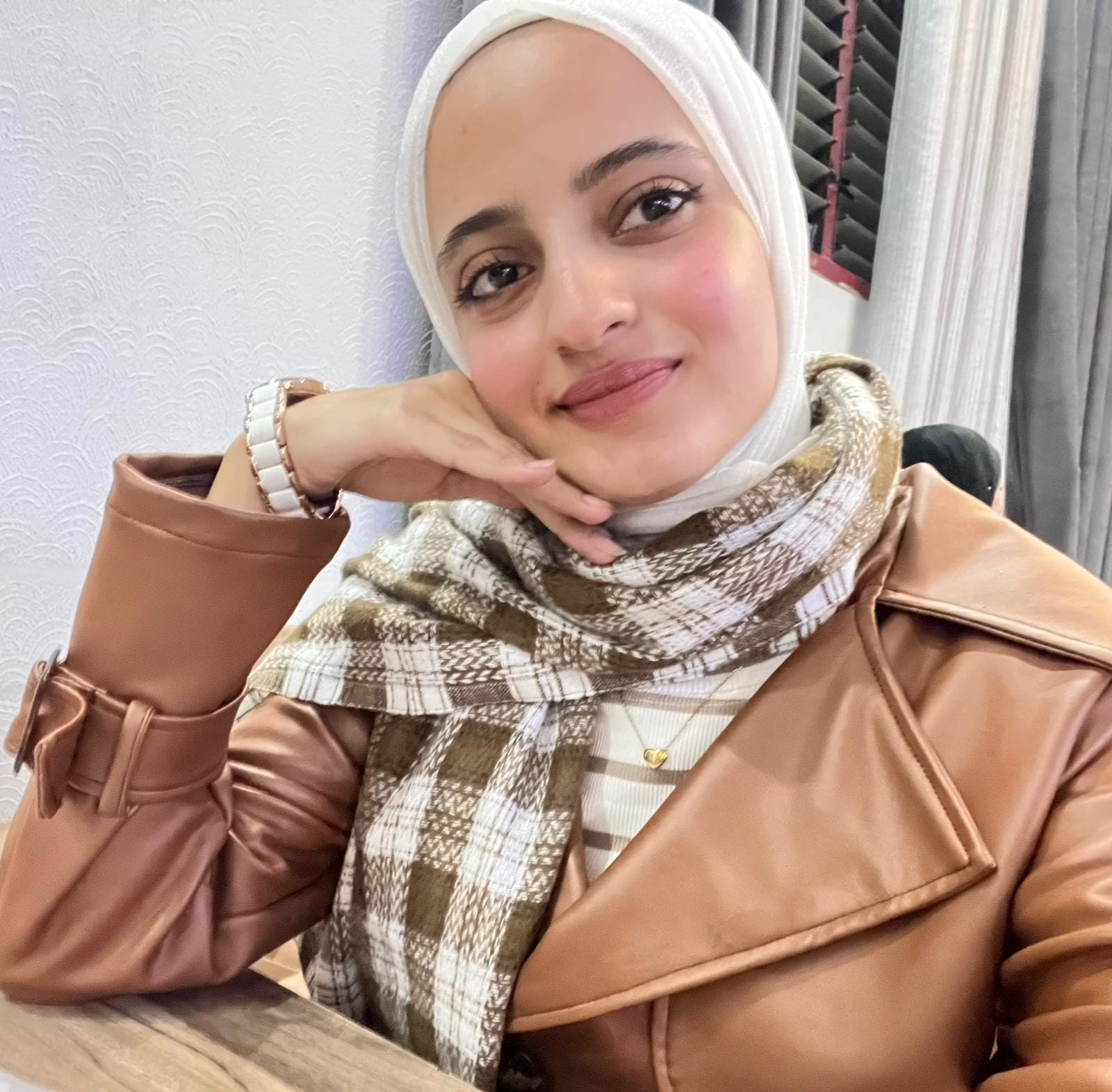
By Esraa Abo Qamar
For two consecutive years, Ramadan arrived in Gaza under the devastating shadow of genocide. Both times, it felt nothing like the Ramadan we once knew.
I used to love Ramadan more than any other month. Before the war, it transformed the atmosphere of our home. My mother, especially, seemed softer. I would see her calmly reciting the Qur’an, moving peacefully through the kitchen. Even when we cooked, we did so with ease and joy. There was no tension — only anticipation for sunset.
During the genocide, that version of her disappeared.
She became anxious and exhausted, carrying the heavy burden of feeding us when there was almost nothing left to cook. We were living through famine, fasting nearly 15 hours a day. When sunset finally came, there was often little waiting on the table. The long iftar meals we once prepared — rice, chicken, soups, sambosk, pickles, sweets — were replaced by a small pot of thin soup or canned beans cooked over firewood.
We had no cooking gas. Electricity was cut across the entire strip. We stepped outside in darkness to light wood fires, smoke filling our lungs as we cooked. We broke our fast coughing, sitting in the dark, listening to distant bombing.
My father’s sadness was unmistakable. His favourite part of Ramadan had always been taraweeh prayers at the mosque. But during those two years, he and my brothers could not go. The streets were unsafe at night. Some mosques did not even call the adhan, out of fear. Ramadan felt stripped of its soul.
My little sister insisted on fasting with us, but she missed the sweets the most — especially qatayef, the dessert that made Ramadan magical for her. We missed inviting my grandmother and aunts to share meals. Ramadan is meant to be a month of gathering and laughter. Instead, we were isolated and terrified. Every detail that once made the month special seemed stolen from us.
Market filled with light
This year is different — even if only slightly. After the ceasefire, we are still grieving. The loved ones we lost will not return. The homes that were destroyed are no longer homes. The pain remains. But this Ramadan, we chose to celebrate.
A few days ago, my family and I went to the market to prepare. In Nuseirat, there is a large shopping centre called Al Hyper Mall. I did not expect what I felt when we arrived: excitement.
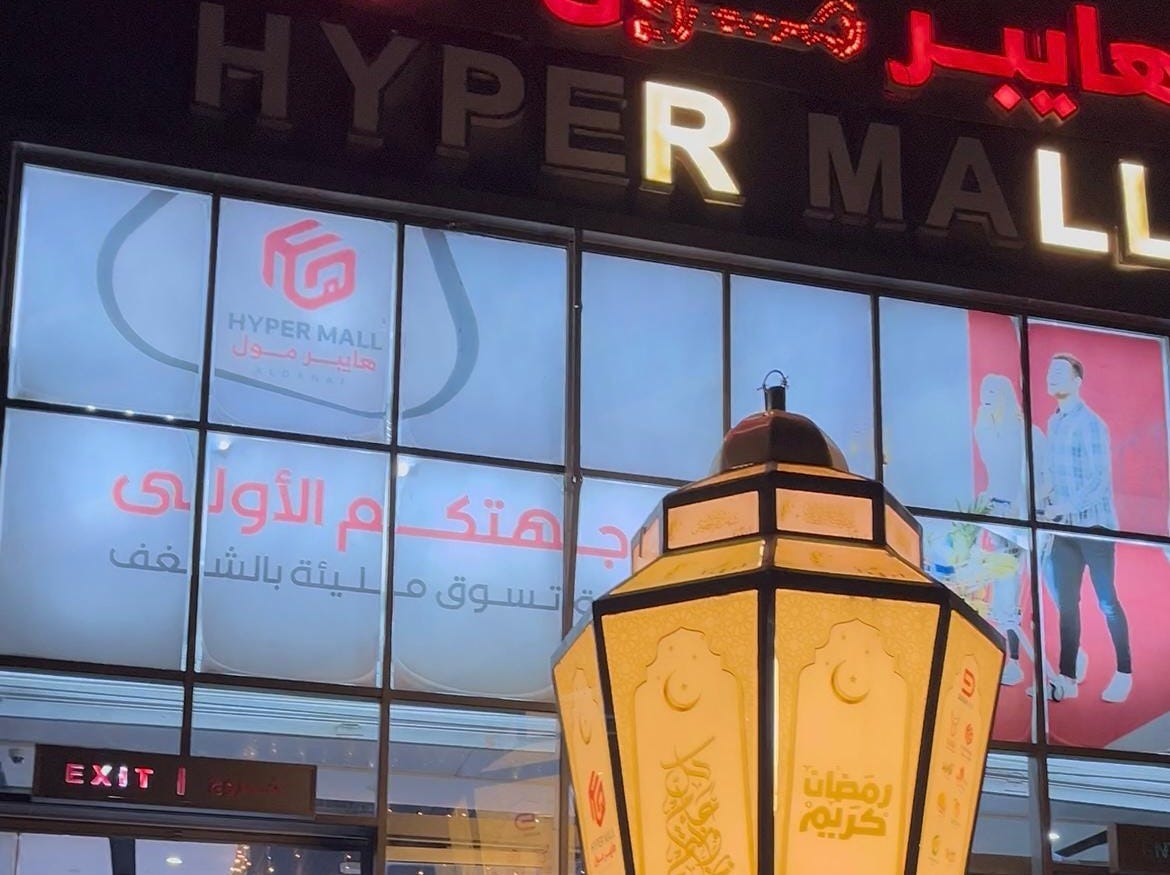
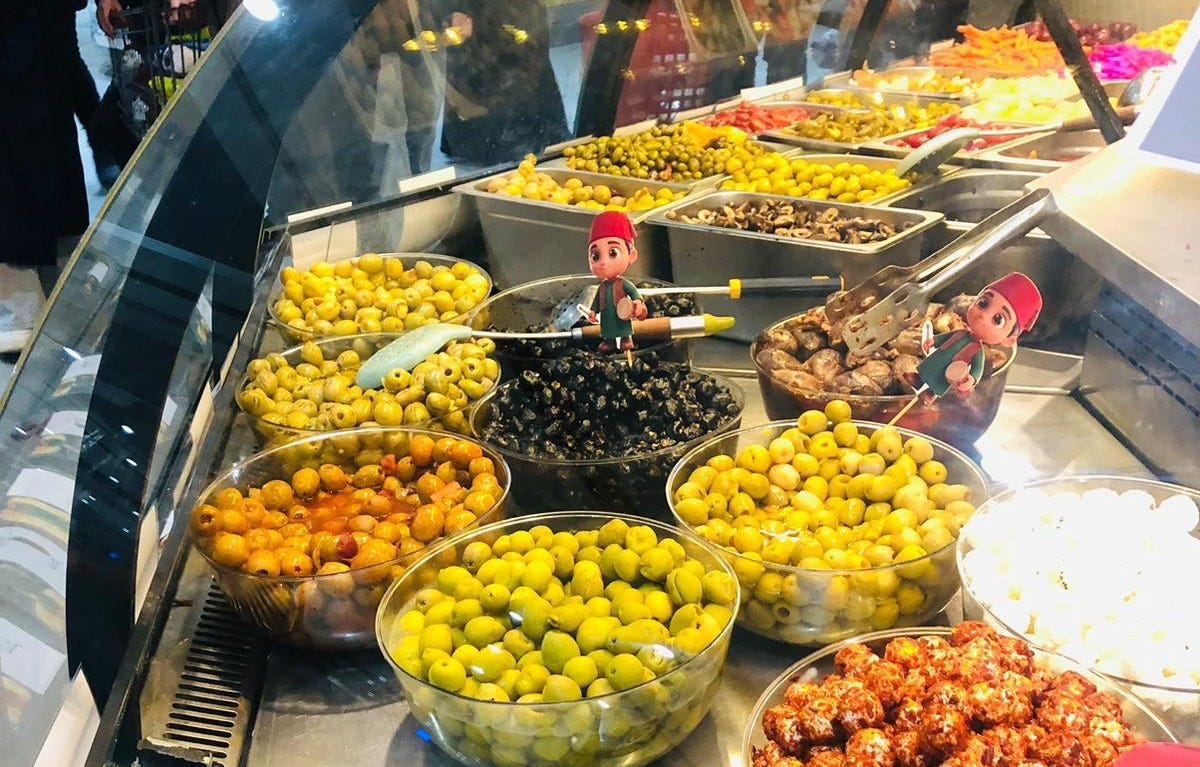
At the entrance stood a massive glowing lantern, shining brightly as children gathered around it to take photos. Inside, the shelves were full again — meats, fruits, vegetables, dairy products — items we had been deprived of for so long. There were dried fruits, Qamar al-Din, and dates essential for Ramadan. Pickles, sambosk, and qatayef were back in abundance.
The mall was decorated with “Ramadan Kareem” signs, crescent moons, stars, and lanterns hanging from the ceiling. Even the traditional Ramadan drummer — the musaharati who wakes people for suhoor — was displayed. Walking through those aisles felt like stepping briefly into the life we had before the war. I was surprised, and overwhelmingly happy.
Children decorating
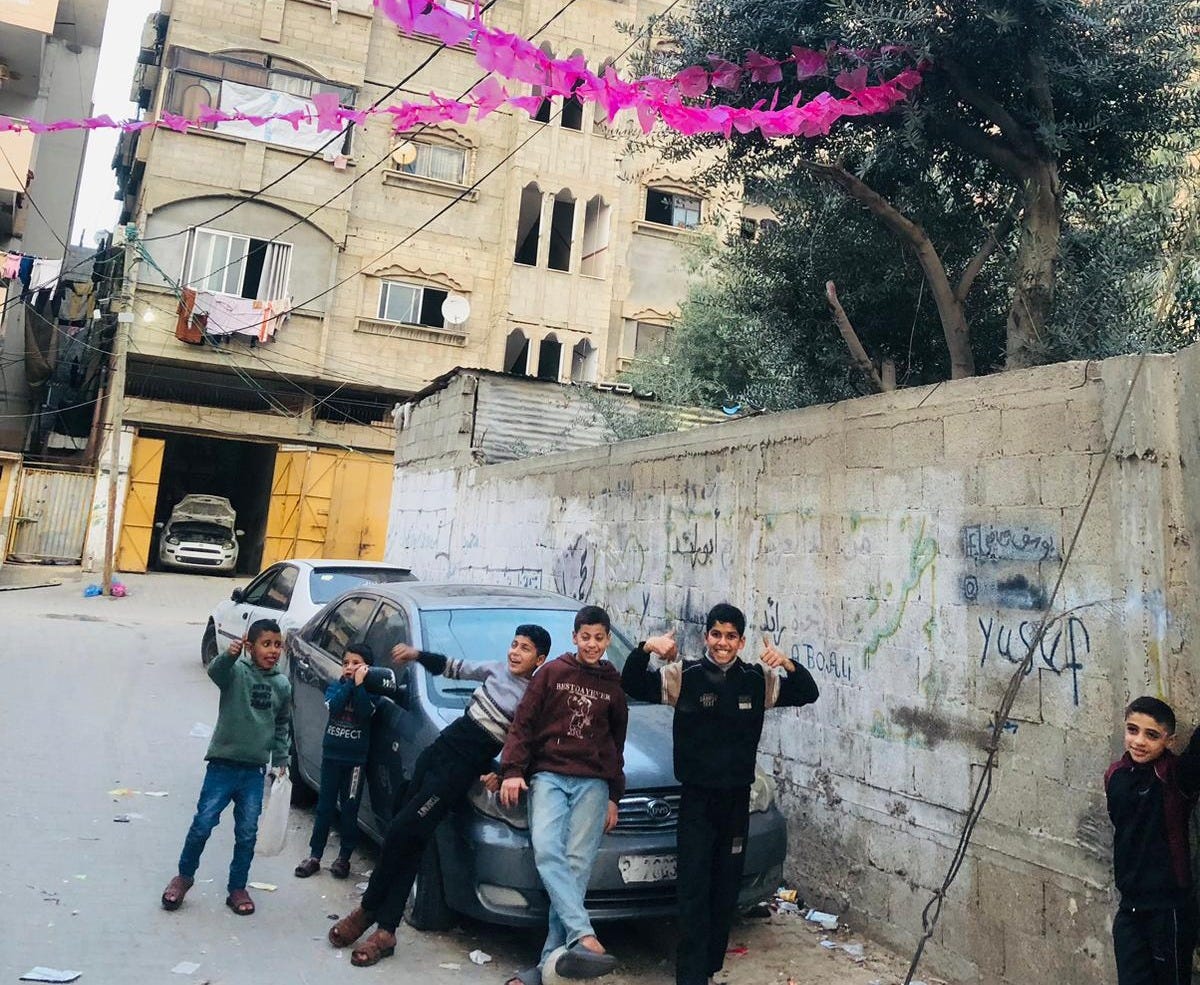
The next day, I heard laughter outside — children shouting with joy. When I looked out, I saw our neighbourhood children decorating the street. They had cut colourful plastic bags and tied them to ropes, stretching them from one side of the road to the other. Their decorations were simple, but their excitement was immense.
Nearly every house, even damaged ones, hung lights, lanterns, or crescent moons. We have lost so much — people, homes, safety, stability. But we are desperate for joy. We want any reason to feel alive again, any reason to celebrate this sacred month.
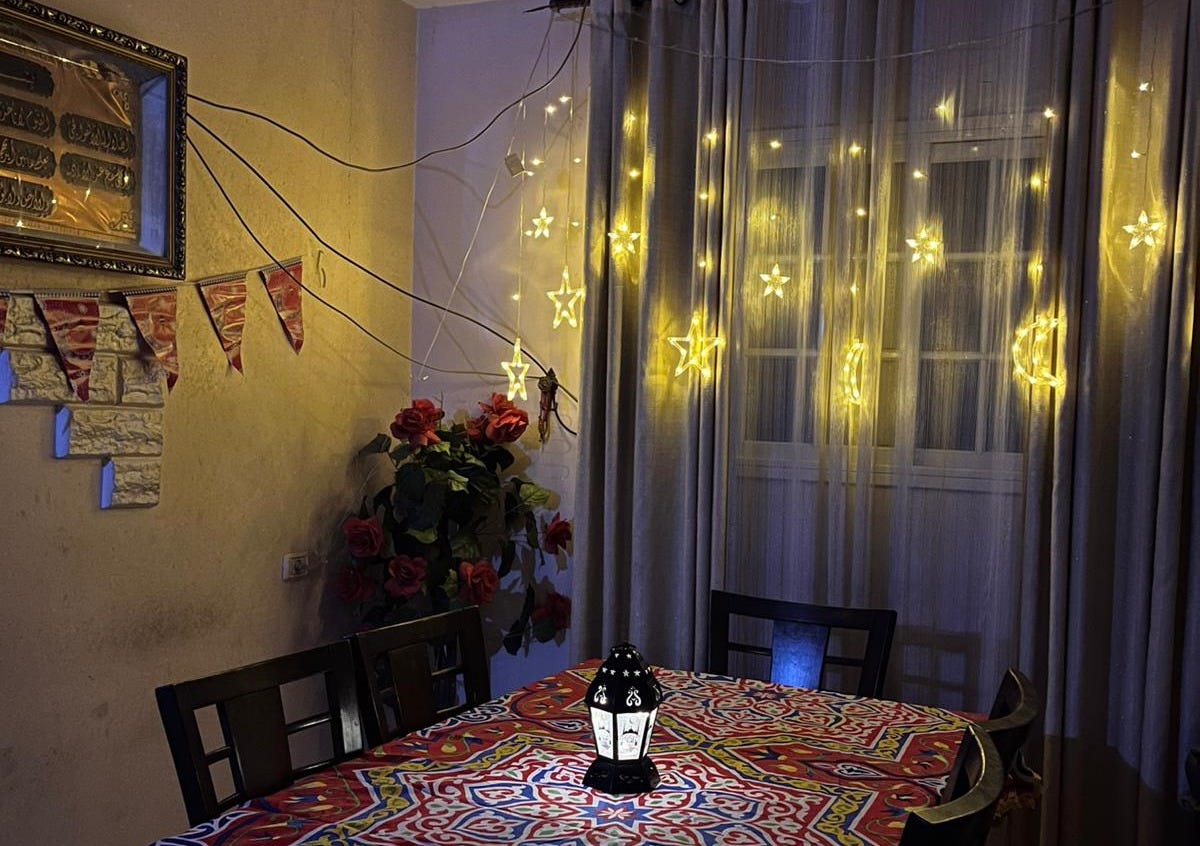
Inside our home, we decorated too. We hung lights. We replaced sofa covers and tablecloths with ones printed with Ramadan phrases, crescents, and lanterns. We bought new plates with Ramadan designs. These small details help us reclaim what we missed.
Perhaps the most beautiful return of all is the adhan. The call to prayer now fills the air again. My father can attend taraweeh prayers and stay late for tahajjud. People walk the streets at night. Roads remain busy until ten in the evening. For so long, simply being outside without fear felt impossible.
Not every area is safe. Some neighbourhoods remain dangerous. The pain has not disappeared. But in many places, mosques are open again. The adhan is loud again. We can walk to taraweeh with a fragile but precious sense of safety.
After two Ramadans of darkness, famine, and fear, this one carries something new: determination.
We are still grieving. We are still rebuilding. But we are choosing joy wherever we can find it. Ramadan was taken from us twice.
This year, we refuse to let it be taken again.
***
Esraa Abo Qamar is a Palestinian writer and English Literature student based in Gaza.
Such grace in your description of feeling excitement and joy - made me cry. Your inner strength is life enhancing. Thank you for sharing this beautiful piece of writing.
This too is resistance, a refusal to succumb to despair. Long live the resistance! 🇵🇸🇵🇸🇵🇸