

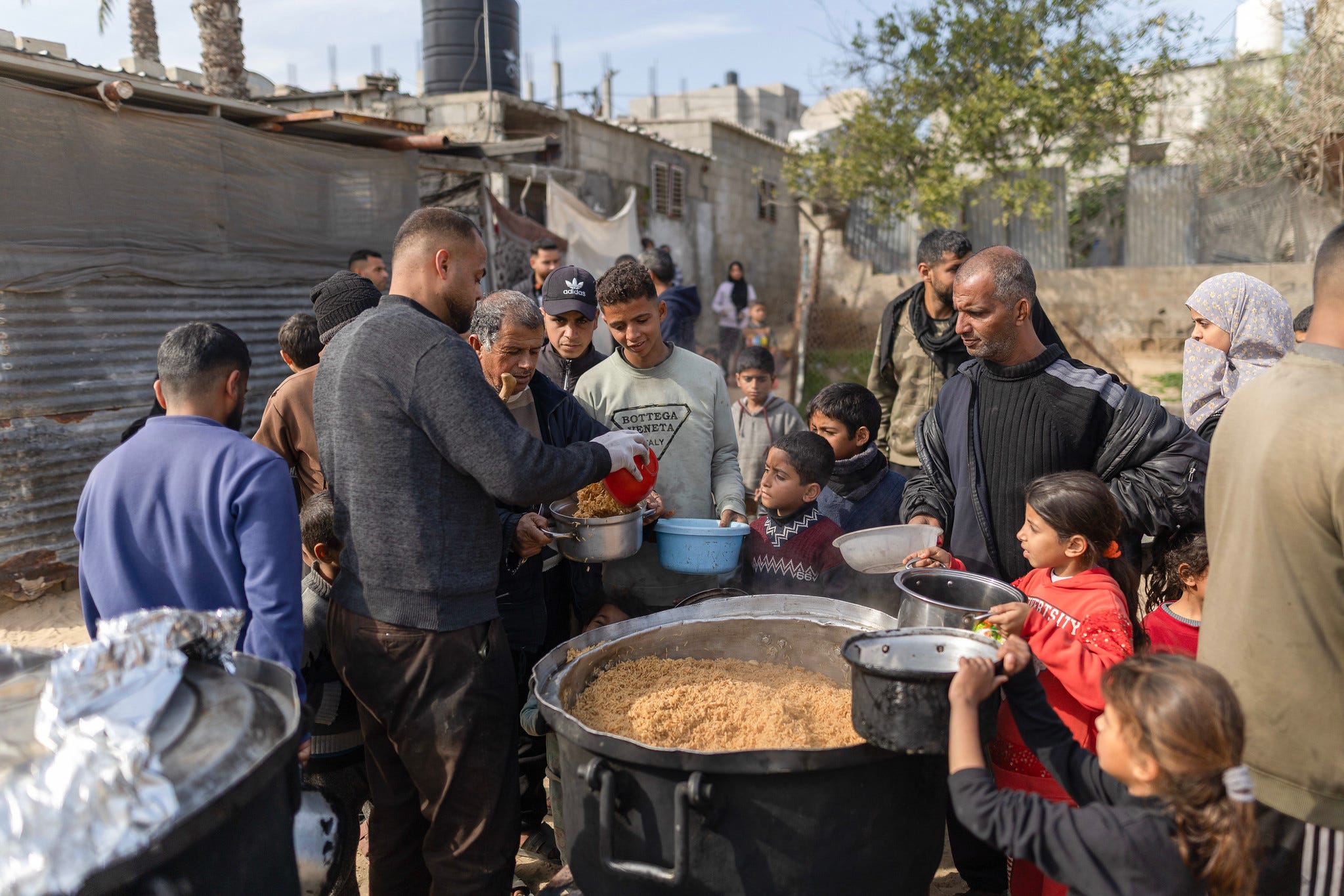
At the end of February 2026, World Central Kitchen announced it would suspend its services in the Gaza Strip “until further notice.” The reason was simple but devastating: it had completely run out of food supplies and could no longer bring in new stock in sufficient quantities.
This was not just an administrative decision. It sent shockwaves through hundreds of thousands of families who had come to depend on the organisation’s meals since the war began in October 2023.
Lifeline Lost
For more than two years, World Central Kitchen had been a daily lifeline in Gaza. As livelihoods collapsed, entire sectors shut down, and poverty reached extreme levels, a single hot meal often meant the difference between hunger and survival.
Estimates suggest that around 60 percent of families relied, at least partially, on these meals—especially those living in displacement camps.
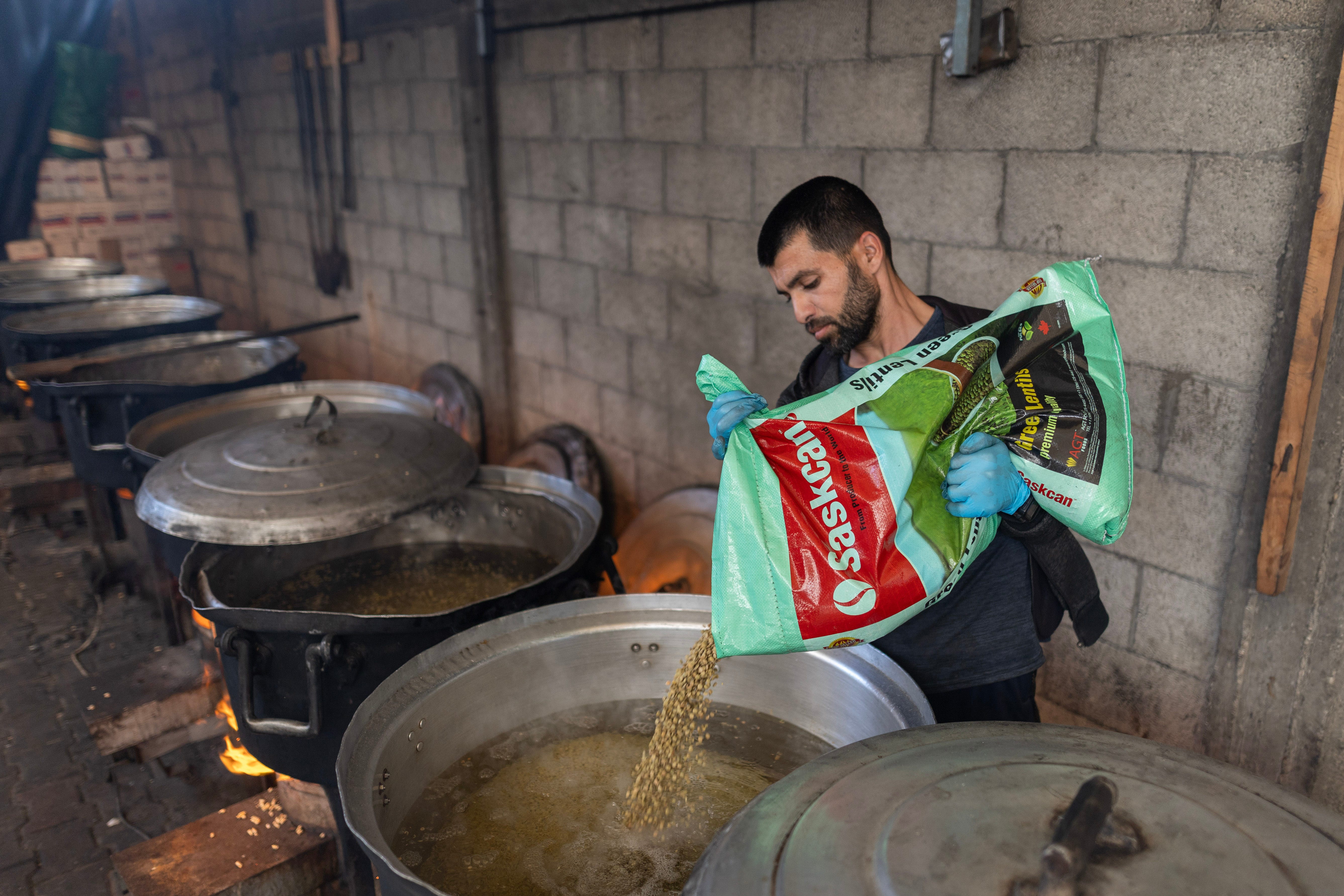
The organisation operated six major field kitchens and about 70 community kitchens. Together, they produced hundreds of thousands of meals every day, reaching people in tents, overcrowded shelters, and damaged homes.
For many, these meals were not just aid—they replaced the ability to cook entirely.
Impossible Living
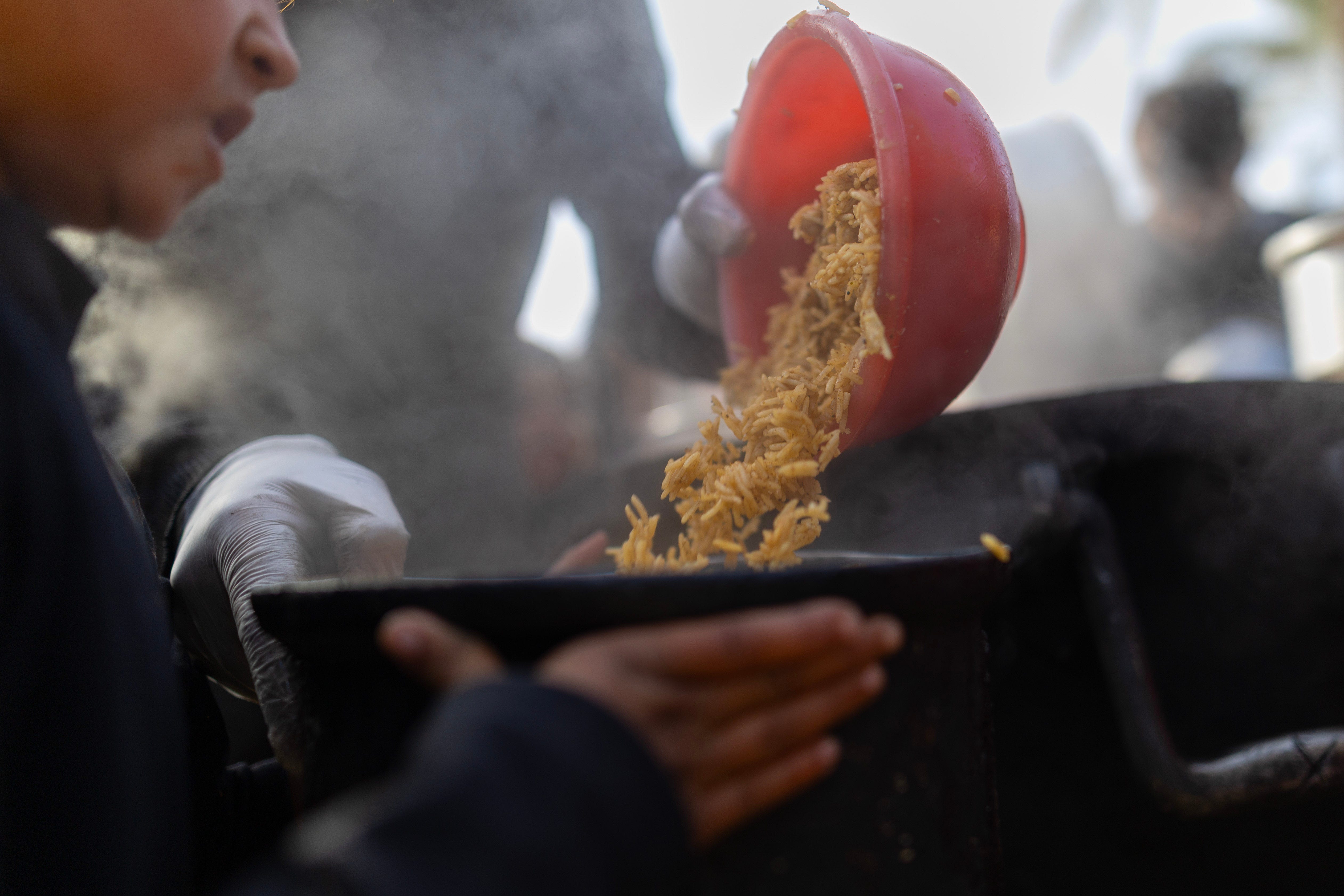
In displacement camps, safe cooking is nearly impossible.
Cooking gas is heavily restricted and often unavailable. Families are forced to burn wood or improvised materials, exposing themselves to health risks and fire hazards. Clean water is scarce, and even basic food preparation becomes a daily struggle.
For mothers trying to feed their children, ready-made meals were often the only reliable option.
However, growing restrictions made the situation worse. The number of aid trucks entering Gaza dropped from 25 per day to just five. Supplies were used up faster than they could be replaced, until operations could no longer continue.
Repeated Shutdowns
This is not the first time World Central Kitchen has halted operations.
On April 2, 2024, the organisation suspended its work after seven staff members were killed in a strike in Deir al-Balah. The incident sparked global outrage and highlighted the risks faced by humanitarian workers.
In May 2025, operations stopped again due to supply shortages, with the closure lasting about 12 weeks. During that time, malnutrition—especially among children—rose sharply.
Another disruption occurred in November 2024 due to administrative pressures related to staff verification.
But the current shutdown is the most dangerous yet. It comes after years of crisis, at a time when families have already exhausted their savings, sold their belongings, and lost their ability to cope.
Hunger Rising
Today, the greatest fear is famine.
Food prices have soared, and basic items are out of reach for many families. Without aid meals, households may be forced to reduce both the number and size of daily meals.
Children are the most vulnerable. Their bodies cannot endure prolonged hunger, and even small reductions in nutrition quickly affect their health and development.
Mothers in displacement camps face an impossible question: how can they feed their children now?
Even when small amounts of food are available, the lack of fuel and clean water makes cooking extremely difficult. Many families had relied on a single daily meal from aid kitchens. Now, even that is gone.
The closure also affects workers. More than 400 people—cooks, drivers, and staff—have lost their income. In an economy already devastated by war, this deepens the crisis further.
Aid Trucks
Calls are growing louder to open crossings and allow more aid trucks into Gaza, so humanitarian organisations can resume their work.
For many in Gaza, World Central Kitchen was more than an aid provider. It was a symbol of support in a time of extreme hardship.
Now, with its kitchens closed, fear is spreading.
Will the suspension last? Can children endure weeks more without proper food?
In a place already worn down by war, displacement, and loss, food is no longer just a basic need. It is survival. It is dignity.
And without it, hundreds of thousands now face an uncertain and dangerous future.
Ohood Nassar is a journalist and teacher from Gaza. She has written for We Are Not Numbers, New Arab, Al Jazeera, Institute for Palestine Studies, Electronic Intifada, and Prism.
This is so terrible. We are ashamed of « The West » and its allies. Murderous and brutal.
Whilst we watch Iran and fret over our own food bills increasing (food which we can obtain and cook), Israel and the US continue to yo-yo on "letting trucks in", when in fact the numbers they boast of are a lie. How are Palestinians still suffering like this? HOW? The world really needs to revolt.